

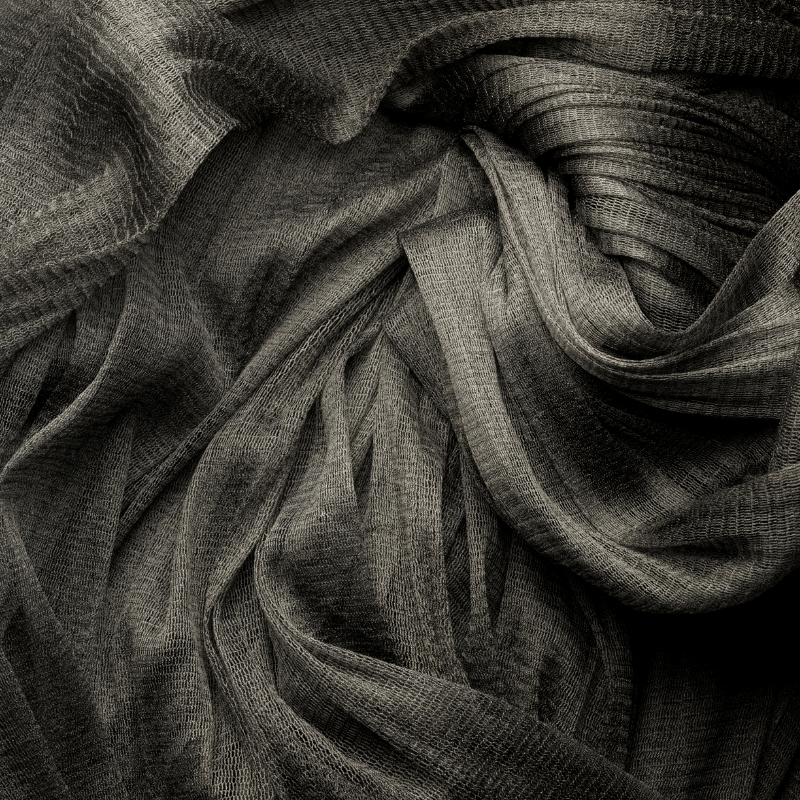

Nylon spandex fabric is widely used in garments that need softness, stretch, recovery, and close-to-body comfort.
It can be found in activewear, yoga clothing, leggings, swimwear, underwear, sportswear, dancewear, and many other performance garments.
Although the name sounds simple, not all nylon spandex fabrics are the same.
Composition, yarn specification, knitting structure, fabric weight, finishing, and spandex content can completely change the performance of the final material.
For B2B textile buyers, understanding these differences makes it easier to select the correct fabric for a garment program.
What Is Nylon Spandex Fabric?
Nylon spandex fabric combines nylon fibers with elastic spandex fibers.
Nylon provides the main fabric body, while spandex gives the material additional stretch and recovery.
The exact blend varies.
A fabric might contain a relatively small percentage of spandex for moderate elasticity, while another fabric designed for leggings or fitted sportswear may use a higher percentage.
Composition is only one part of the specification.
Two fabrics with the same nylon-to-spandex ratio can still perform very differently because of variations in:
- Yarn size
- Knitting structure
- GSM
- Density
- Finishing
- Heat setting
This is why buyers should evaluate the complete specification instead of choosing a fabric based only on fiber percentage.
Why Is Nylon Used in Stretch Fabrics?
Nylon is valued for its smooth feel, strength, flexibility, and ability to create refined fabric surfaces.
Depending on construction and finishing, nylon-based fabrics can feel soft and comfortable against the skin.
This makes them suitable for fitted garments.
Nylon fabrics can also provide good abrasion resistance, which is useful for garments exposed to repeated movement.
When combined with spandex, the resulting material can provide both flexibility and recovery.
These properties are particularly important for garments that need to move with the wearer while maintaining their original shape.
What Does Spandex Add?
Spandex is an elastic fiber.
A relatively small amount can significantly change how a fabric stretches.
In apparel applications, spandex can help improve:
- Flexibility
- Body fit
- Freedom of movement
- Shape recovery
- Comfort
For performance garments, recovery is especially important.
A fabric may stretch easily, but if it does not return close to its original dimensions, garments can gradually lose their shape.
This is why stretch and recovery should be evaluated together.
Two-Way Stretch vs Four-Way Stretch
Buyers frequently hear the terms two-way stretch and four-way stretch.
Two-way stretch generally refers to fabric that stretches significantly in one main direction.
Four-way stretch typically provides useful stretch in both horizontal and vertical directions.
Four-way stretch fabrics are commonly selected for garments that require greater mobility, such as:
- Yoga leggings
- Gym wear
- Cycling garments
- Dancewear
- Compression-style garments
- Performance tops
However, more stretch is not always better.
The correct stretch level depends on the garment pattern, fit, sewing construction, and intended activity.
Choosing the Right GSM
GSM means grams per square meter and is one of the most important specifications when sourcing knitted fabric.
Lower-GSM nylon spandex fabrics are generally lighter and may be suitable for lightweight tops, underwear, lining, or delicate applications.
Medium-weight fabrics are commonly used for activewear and general fitted garments.
Heavier constructions may provide better coverage and support for leggings or structured performance clothing.
However, GSM alone does not determine opacity or support.
Knitting density, yarn specification, color, and finishing also affect the final result.
A buyer developing light-colored leggings, for example, should test the actual fabric rather than assuming a particular GSM will automatically provide full coverage.
Common Applications
Yoga and Activewear
Nylon spandex is a popular material for yoga pants, leggings, sports bras, fitted tops, and training clothing.
A suitable fabric can provide softness, flexibility, and recovery while supporting repeated body movement.
Swimwear
Certain nylon spandex constructions are used for swimwear because they provide stretch and a close fit.
For this application, buyers should pay additional attention to color fastness and the intended end-use environment.
Underwear and Lingerie
Soft hand feel and elasticity make nylon spandex suitable for underwear, bras, shapewear, and lingerie.
Different knitting structures can be developed for smooth, mesh, lightweight, or more supportive effects.
Dance and Performance Clothing
Dance garments need freedom of movement.
Four-way stretch materials can allow garments to follow complex movement while maintaining fit.
Fashion Apparel
Nylon spandex can also be used in dresses, fitted tops, skirts, fashion panels, and other garments where elasticity is part of the design.
Nylon Spandex Jersey vs Mesh
The knitting structure has a major influence on performance.
A jersey construction usually provides a more continuous fabric surface.
It can be suitable for leggings, tops, swimwear, and general stretch garments.
Mesh structures contain more open spaces.
They are commonly used when ventilation, transparency, decorative effects, or lower weight is required.
Stretch mesh can be used for:
- Sportswear ventilation panels
- Lingerie
- Fashion garments
- Dancewear
- Athletic tops
- Garment inserts
Buyers therefore need to choose not only a fiber composition but also the correct fabric construction.
What Should B2B Buyers Specify?
When requesting a quotation or sample, provide more than a general request such as “nylon spandex fabric.”
A useful inquiry should include:
- Nylon/spandex composition
- Target GSM
- Width
- Color
- Knitting structure
- Two-way or four-way stretch requirement
- End application
- Estimated quantity
- Required testing
- Finishing requirements
If you have an existing fabric that you want to reproduce or improve, sending a physical sample can also help the manufacturer understand the desired result.
Why Sampling Matters
Stretch fabric can be difficult to evaluate using photographs alone.
Before bulk production, buyers should physically check:
- Hand feel
- Stretch
- Recovery
- Opacity
- Surface texture
- Drape
- Thickness
- Color appearance
Garment testing is also useful.
The material may behave differently after cutting, sewing, heat application, printing, washing, or repeated stretching.
For larger programs, confirming these points early can reduce costly revisions later.
Custom Development for Different Garments
There is no single nylon spandex fabric that is ideal for every application.
A fabric developed for leggings may be too heavy for underwear.
A lightweight stretch mesh may be perfect for ventilation panels but unsuitable as the main body of a compression garment.
This is where custom fabric development becomes valuable.
A manufacturer can adjust variables such as:
- Yarn
- Fiber ratio
- Fabric weight
- Density
- Knitting structure
- Stretch
- Surface texture
- Finishing
This allows textile specifications to be matched more closely to the final garment.
Final Thoughts
Nylon spandex fabric is a versatile material for modern sportswear, activewear, swimwear, underwear, dancewear, and fashion.
Its value comes from the combination of nylon’s textile properties and the elasticity provided by spandex.
However, buyers should not select fabric by composition alone.
GSM, structure, stretch direction, recovery, hand feel, finishing, and end-use requirements all influence performance.
The most effective sourcing process starts with a clear garment requirement, followed by suitable fabric recommendations, physical sampling, testing, and specification confirmation before bulk production.
That process helps turn a basic nylon spandex material into a fabric developed for a specific commercial application.